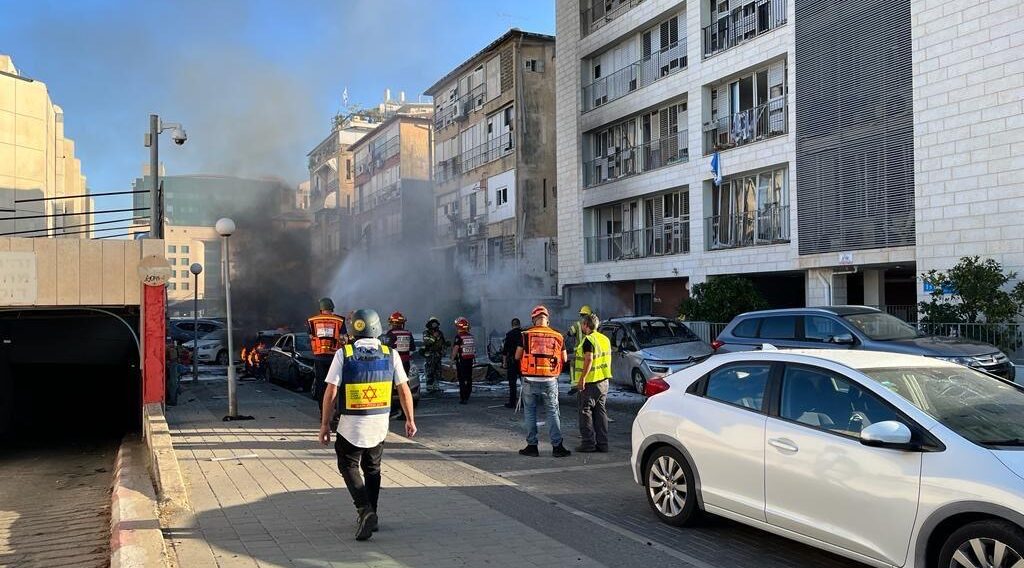





Three years ago, on the morning of October 7, 2023, while Magen David Adom teams headed out to treat the wounded under fire in the south, another MDA system began operating in parallel, far from the shooting scenes but as an inseparable part of that same battle for life: the National Blood Services.
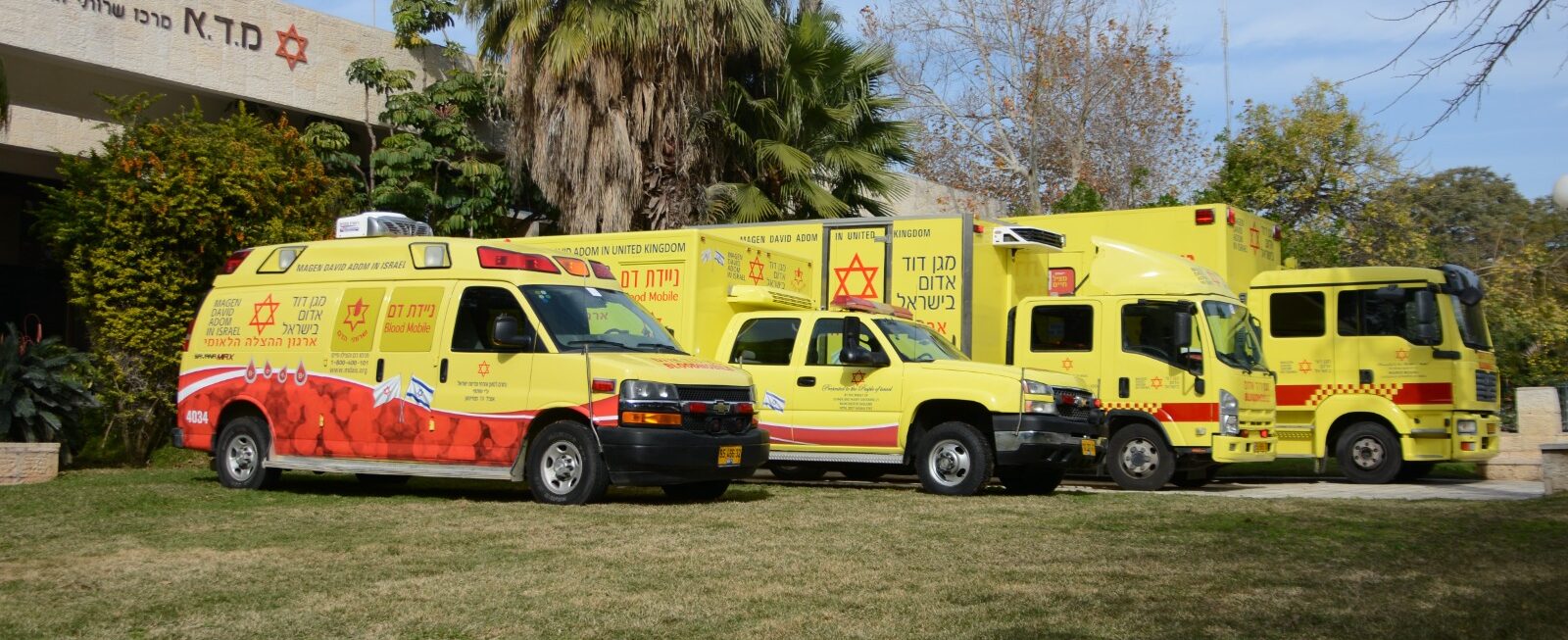
One of Magen David Adom’s roles by law is to serve as the national blood bank of the State of Israel. Magen David Adom is responsible for supplying more than 98% of the country’s blood consumption. The donated blood units are collected, arrive at the Blood Services laboratories, are carefully tested, processed, and classified, and only then are sent to hospitals and the IDF to save lives.
On the morning of Simchat Torah 2023, it quickly became clear that this system was facing one of the greatest challenges in its history.
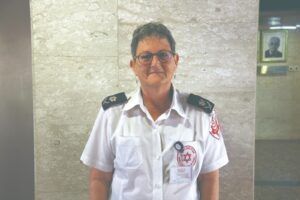
Prof. Eilat Shinar, who was then MDA’s Deputy Director General and Director of the organization’s Blood Services, and is now retired, was hosting family members that holiday. The sirens were heard in her home as well, but her first thought was of something else entirely: the State of Israel’s blood inventory.
“Even before we knew what was happening, I realized we had to act immediately,” she said. “The blood inventory was significantly low because we were at the end of the Sukkot holiday, and people naturally donated less. In a situational assessment I held with the Director General very early in the morning, it was decided to begin large-scale blood drives to prepare for casualties.”
Wolfson and Ichilov hospitals provided Magen David Adom with relatively safe sites, and by around 10:00 AM, the donation sites were already open.
On that day alone, 3,800 blood units were collected, three times more than on a regular donation day.
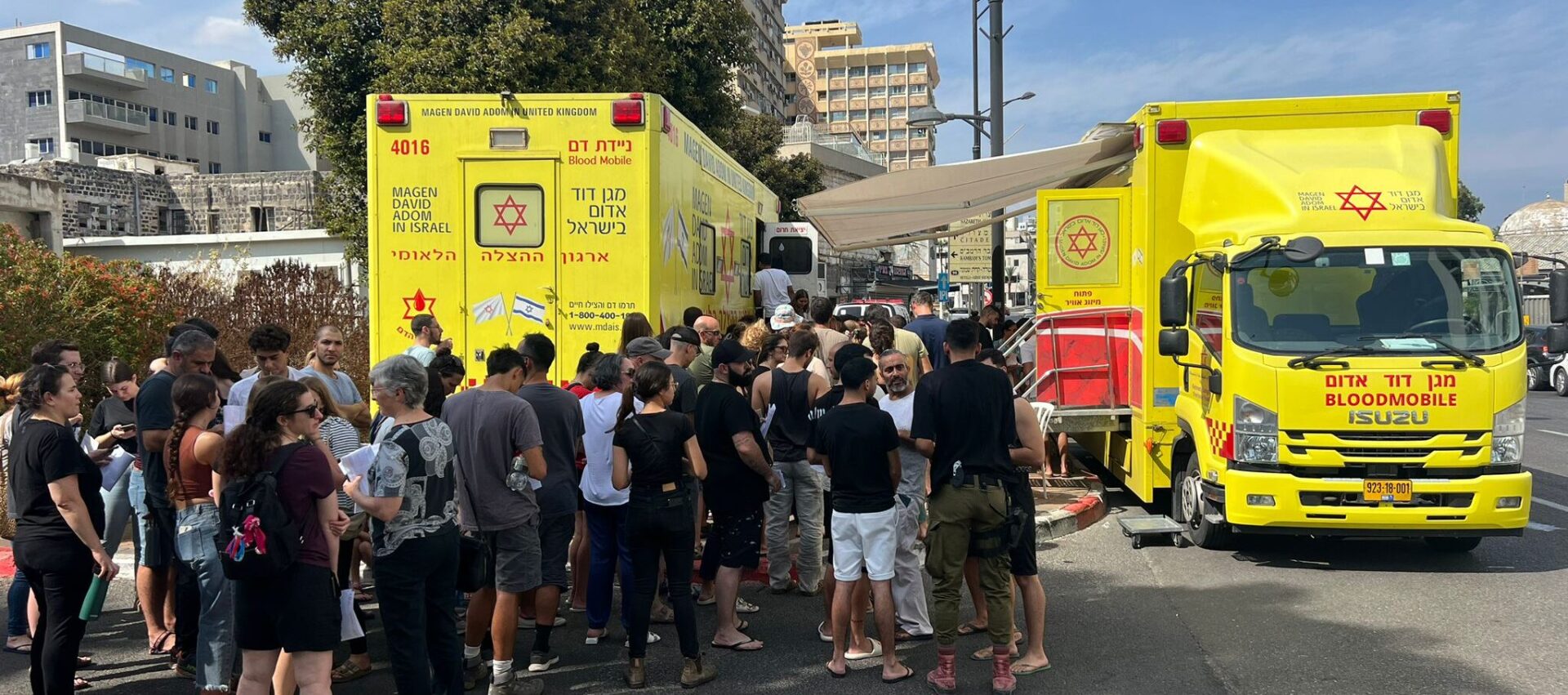
As the scale of the disaster and the number of casualties became clear, the Blood Services prepared for mass donations to meet the growing demand from hospitals.
“In the first ten days, all residents of the State of Israel—everyone, from all sectors—showed up to donate blood,” Shinar said. “They forgot the arguments, forgot the polarization, ignored everything that divides us, and simply showed up. In my eyes, this is an amazing response from the public. It was very moving to see it.”
People stood for hours in lines to donate blood. When a siren sounded, they moved to a protected area, and afterward returned to their place in line.
“I have never seen anything like it,” Shinar said. At a certain point, the blood inventory reached a level that allowed Magen David Adom to announce that mass donations were no longer needed. Even then, people continued to ask to come and donate.
But the thousands of donations were only the beginning of a long chain. Every blood unit collected had to undergo testing, processing, and separation into components, and then quickly reach the hospitals and the IDF.
To achieve this, the Blood Services staff were required to work around the clock.
For years, emergency scenarios assumed that during a disaster, the system might face an absence of about thirty percent of the workforce. On October 7, the opposite happened.
“Starting Saturday morning, even without being called, the Blood Services employees showed up with one hundred percent attendance. Not even one was absent,” Shinar said. “Everyone understood the gravity of the hour, the need for blood to save lives, and their necessity. Despite the pain, the personal price, the sirens. All the employees, including those from the south, showed up.”
The dedicated reserve battalion that assists the Blood Services during emergencies was also mobilized that same Saturday. Its members underwent a quick professional refresher and joined the donation operations throughout the country.
And amidst all this, the Blood Services faced an additional task that had been planned long before and could no longer be postponed.
“It was clear to me that we were not giving up on the move”
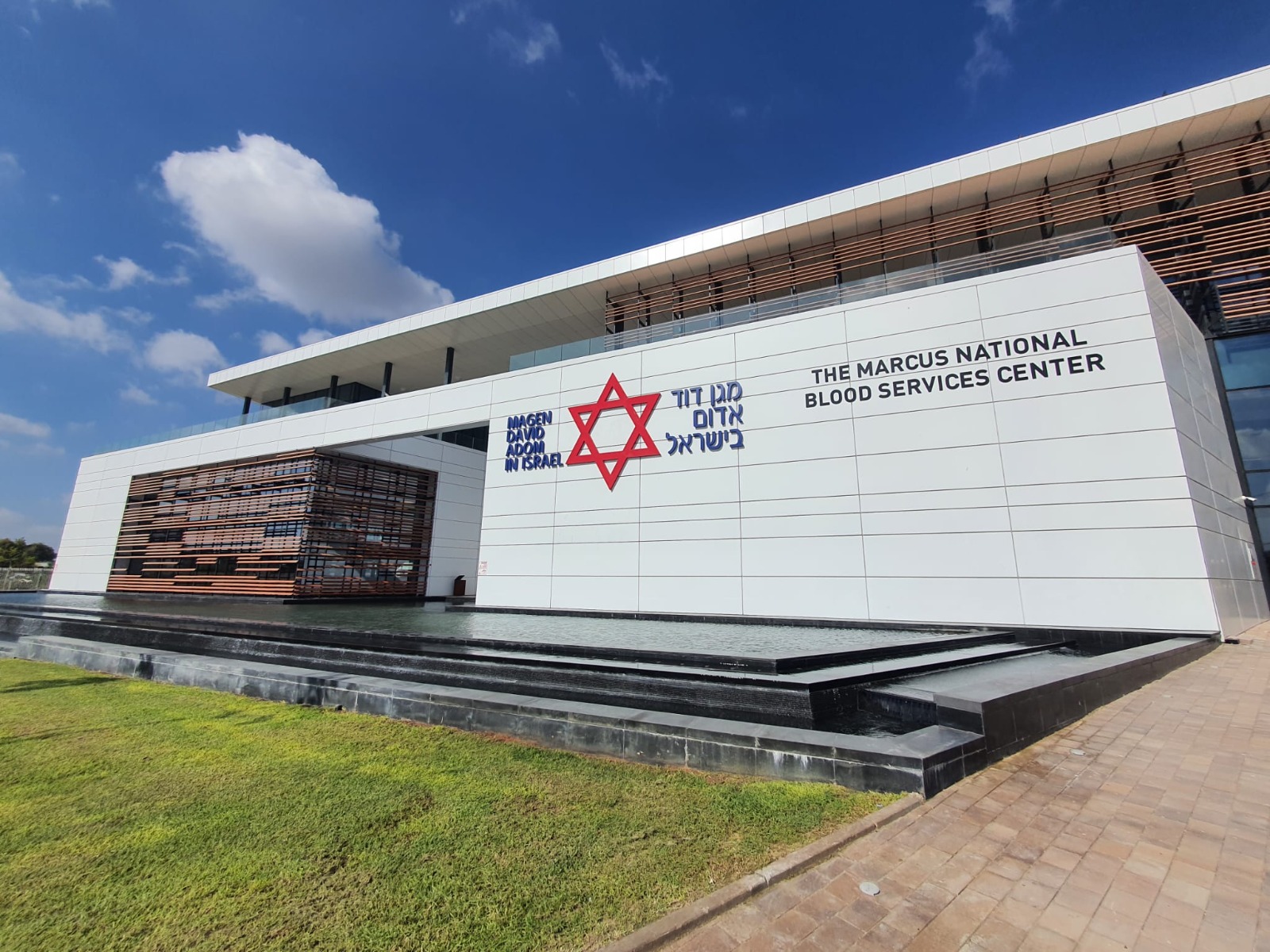
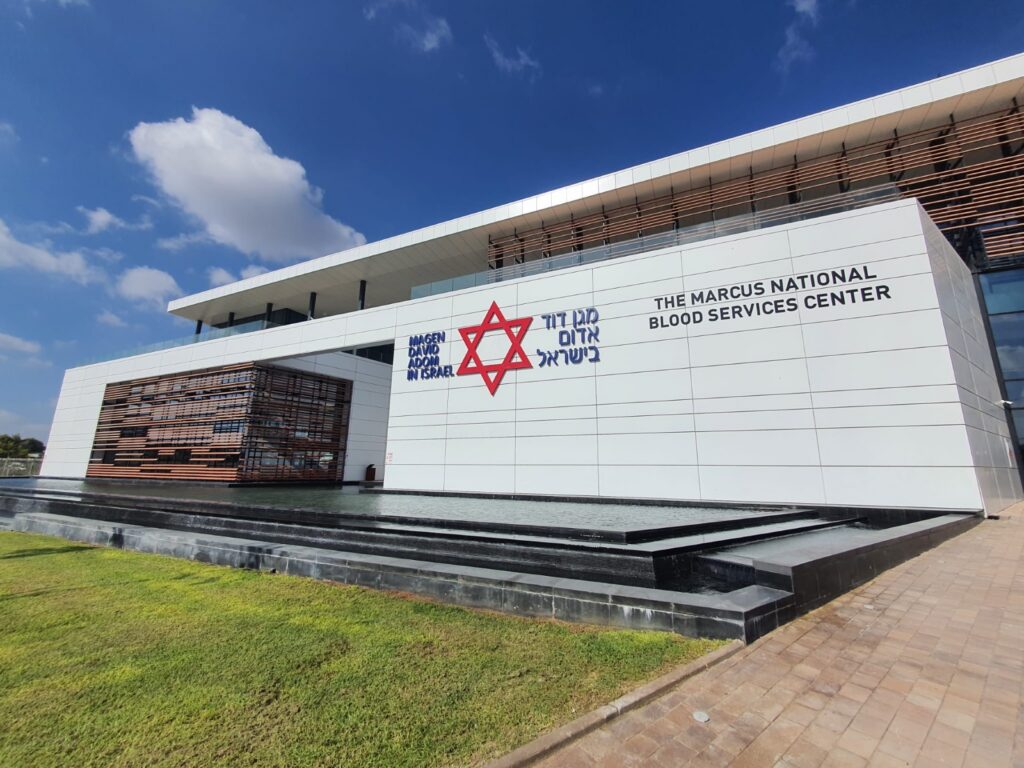
For years, Magen David Adom’s Blood Services operated at Tel Hashomer Hospital. Due to the security threat to central Israel, Magen David Adom decided to establish a new, fortified national blood bank in Ramla, designed to allow the system’s operations to continue even during wartime.
The date for the move was set in advance for October 9, 2023, just two days after the October 7 attack.
One might have thought that moving an entire national system, while it was dealing with thousands of blood donations, increased supply to hospitals, war, and constant sirens, would be postponed.
At Magen David Adom, they decided otherwise.
“The necessity and essentiality of the move were clear to me,” she said. “So we moved. Amidst the mass of work, amidst the constant sirens, amidst the large donation operations, amidst the fighting, the blood components department, shipments—everything moved to the fortified blood bank in Ramla, everything fell into place exactly as we envisioned.”
The next day, the employees were already operating in the new blood bank.
“The employees began to operate there as if they had worked there forever, and it proved itself. Even during sirens, the employees continue to process blood, and thus we can protect our people as well as the State of Israel’s precious blood inventory.”
The stories of the Blood Services on October 7 took place far from some of the shooting scenes, but they were part of the same chain of rescue: from the person who stood in line and donated their blood, through the collectors, the laboratories, and the couriers, to the wounded person who received the blood unit in the hospital, in a helicopter, or on the battlefield.
“Saving lives is the motto of Magen David Adom,” Prof. Shinar summarized then. “We are constantly working in its light, whether by supplying blood to hospitals or IDF units, or by supplying breast milk.”
And regarding the Blood Services staff, she said:
“I am proud of the Blood Services staff who did not stop for a moment and have not rested since that morning of October 7. They are one hundred percent committed, dedicated, and connected to their work with every fiber of their being.”
Three years later, her last sentence still perhaps summarizes the entire story in the most accurate way:
“There is no other job where you go every day to save lives.”