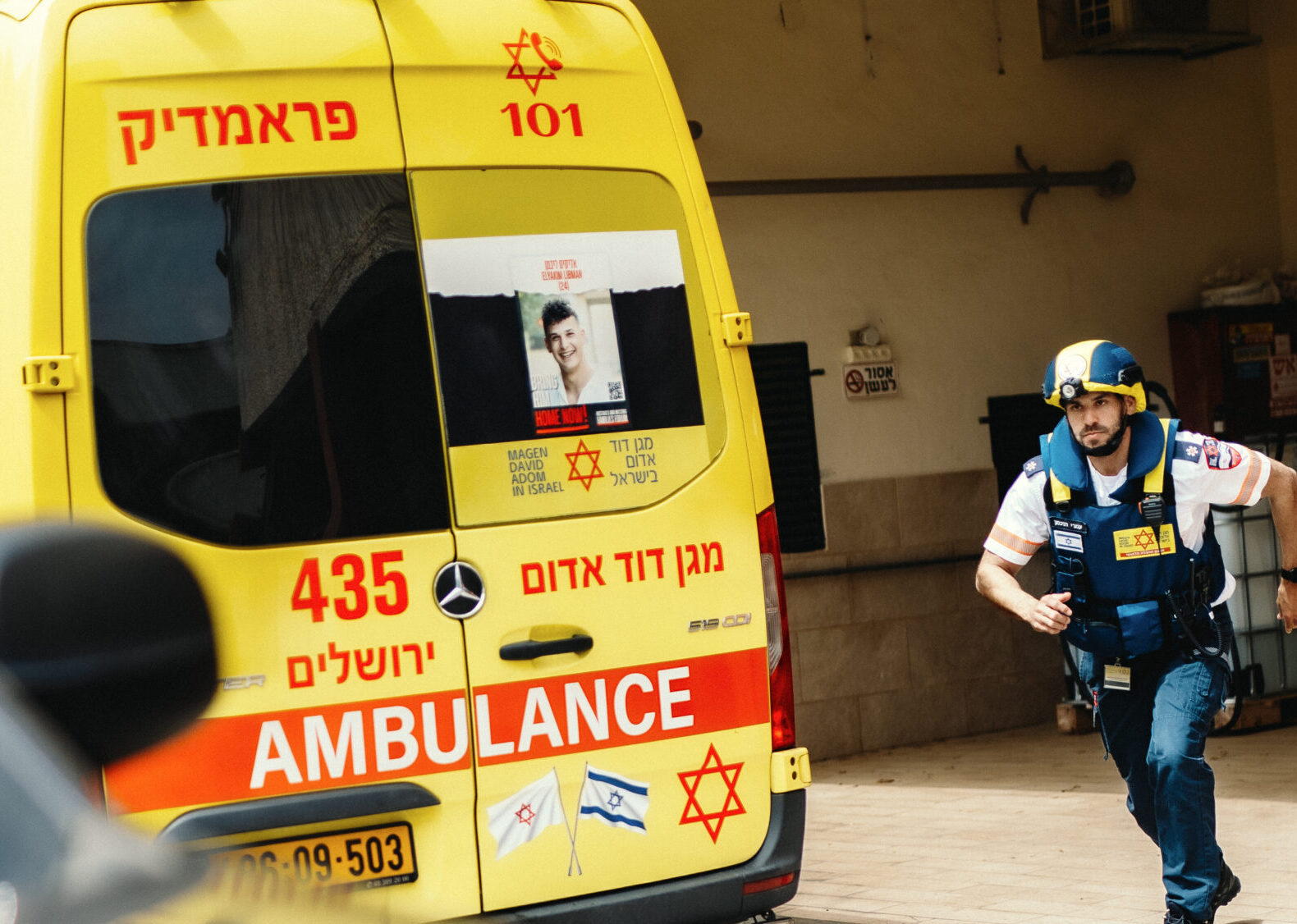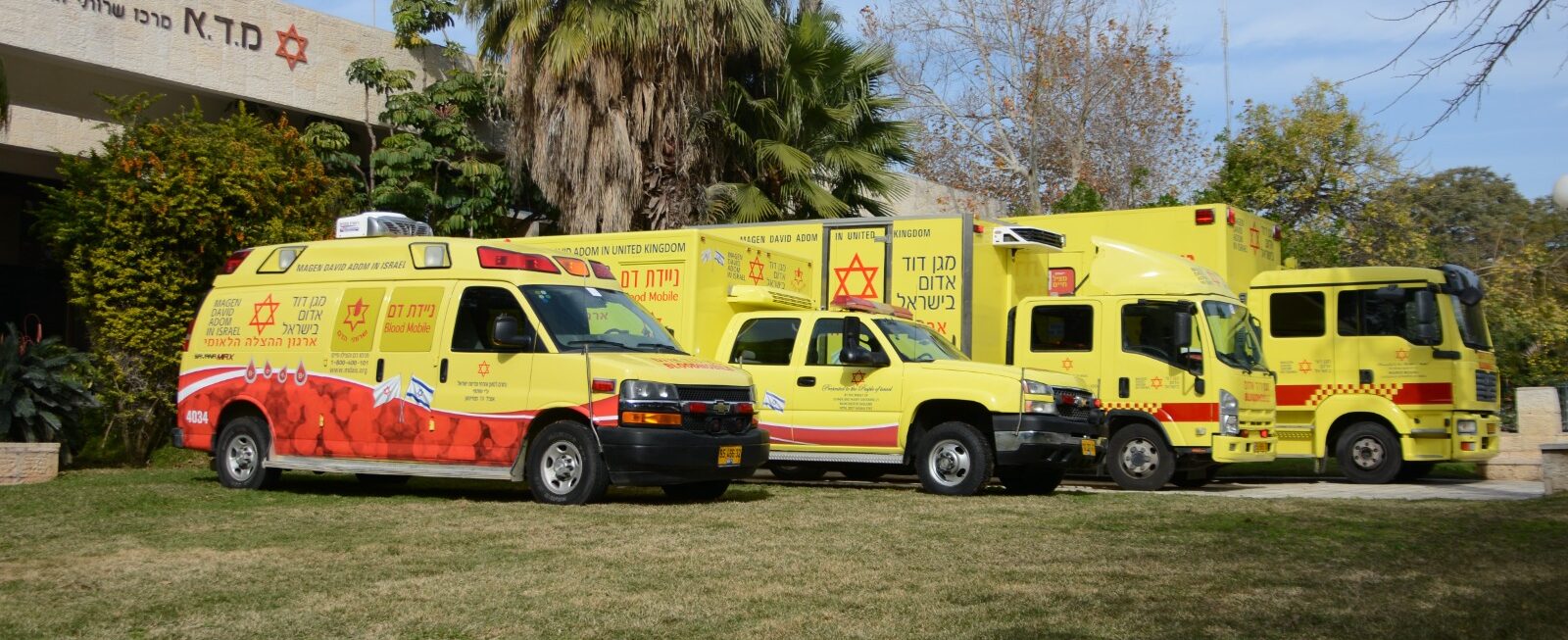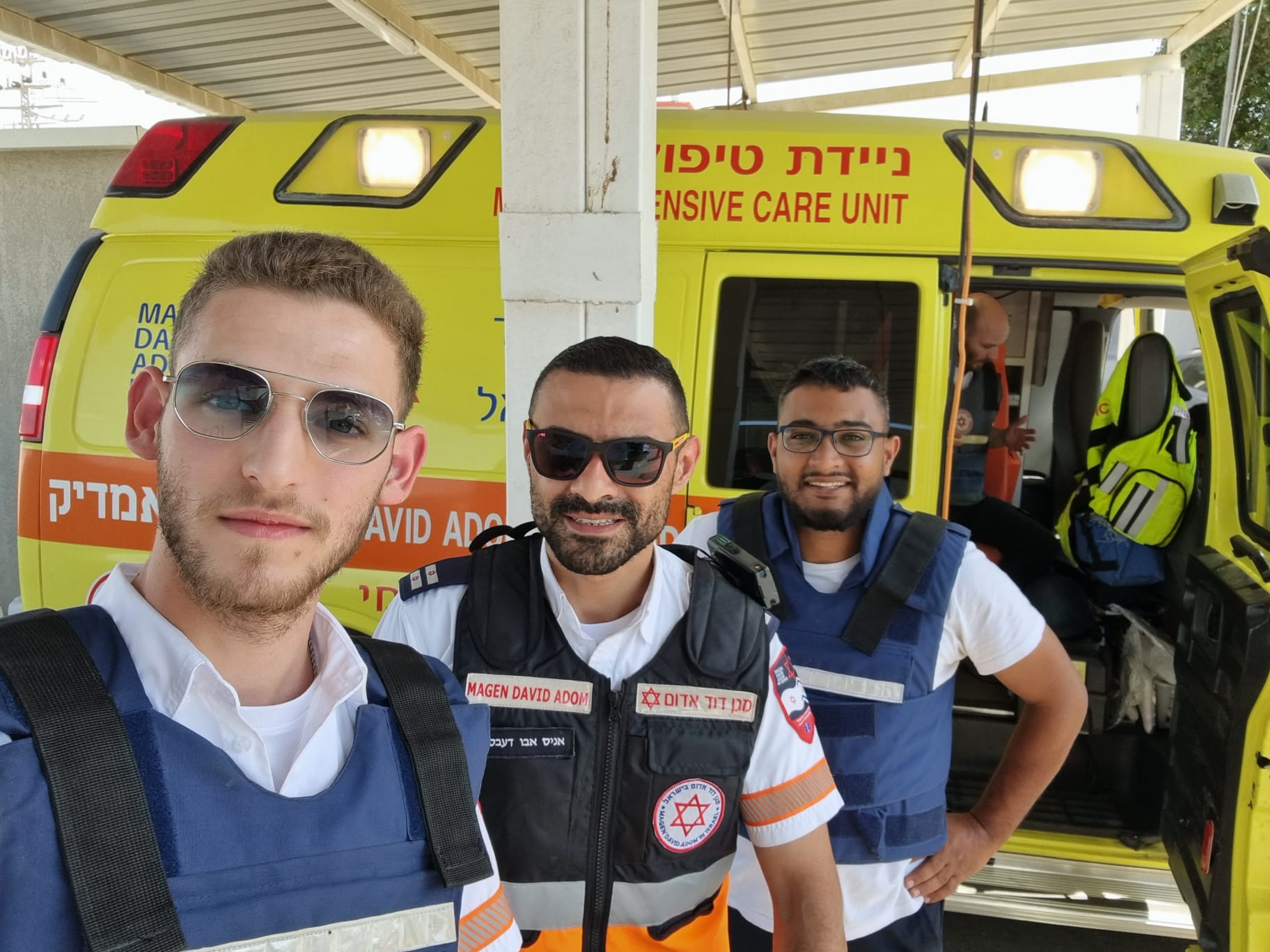

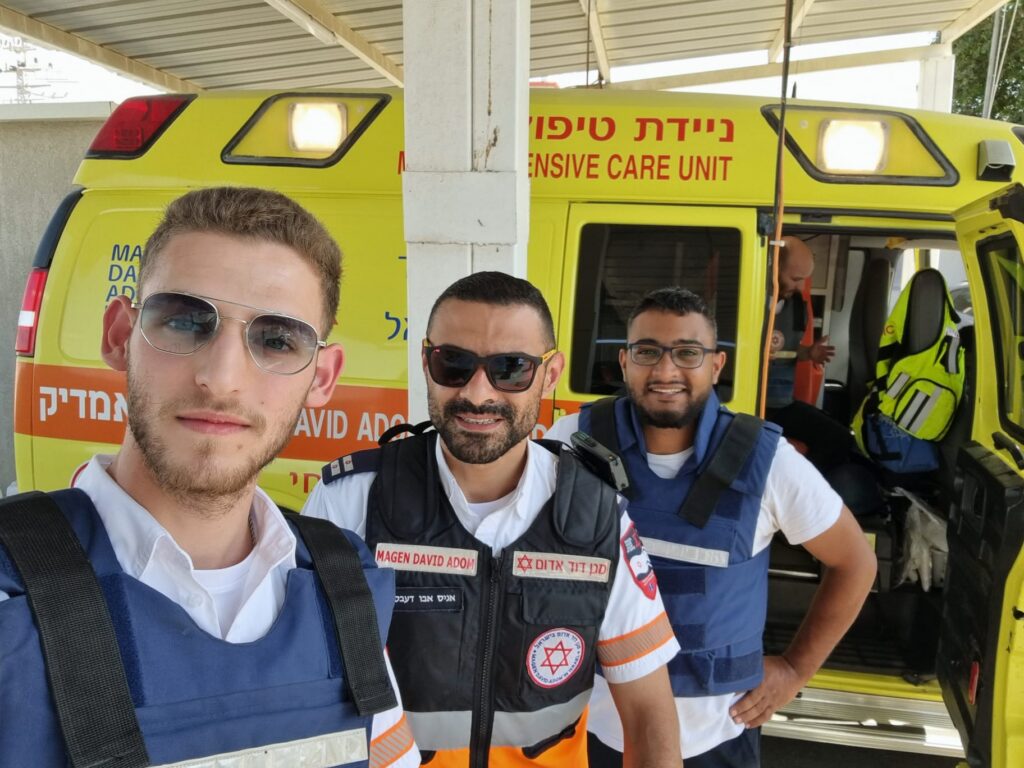
On October 7th, Simchat Torah, Anis Abu Da’bas, a paramedic and the regional mentor for the Negev Region, worked a double shift from Friday to Saturday at the Magen David Adom station in Rahat, with driver Amin Almalat. The double shift was almost over when suddenly the sirens sounded.
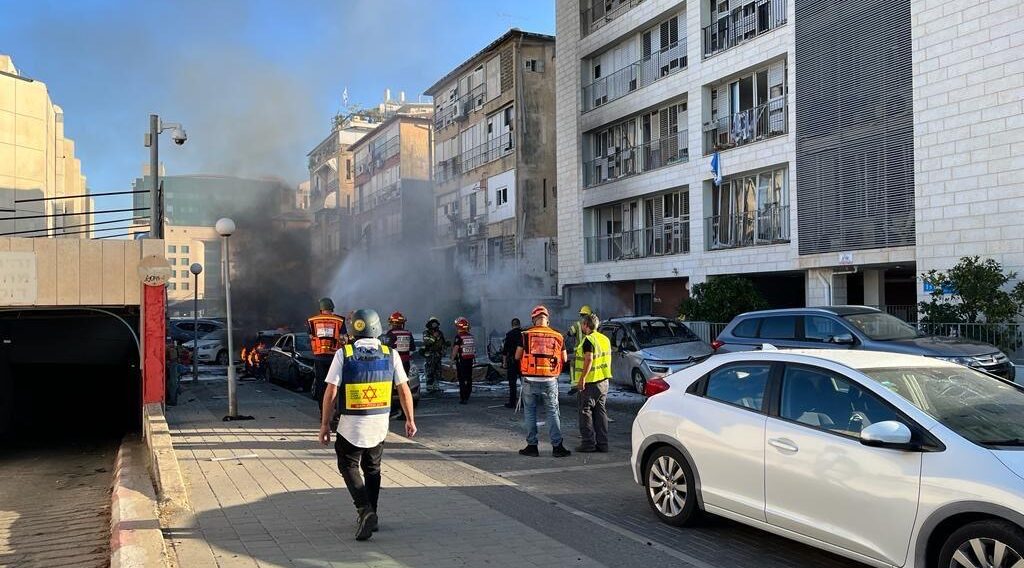
“They were longer and more intense than usual,” Anis recalls. “We looked at each other and realized this wasn’t just another siren, but something different. One ambulance was sent to assist in the Netivot area, and it was clear to all of us that even though the shift was over, we would stay as long as needed. Shortly after, a minibus suddenly stopped at the station entrance. We immediately noticed it was riddled with bullets, its windows shattered. We boarded it and began treating the wounded, and it became clear that this was a transport of Rahat residents who had gone to work in the Gaza Envelope and were shot by terrorists. That was the moment we realized something very serious was happening. We are Magen David Adom personnel; we are programmed to respond quickly and efficiently. We conducted a sort of situation assessment with the morning crews, received instructions, and prepared to treat a large number of casualties under fire,” says Anis.
 Part of that preparation involved setting expectations within the team. Anis spoke with Roee, a paramedic course intern nearing the end of his training. “Even though we had been at the station for over 17 hours, I saw no hesitation in his eyes. It was clear that all of us were here to save lives. I remember one chilling moment when we suddenly heard the voice of our colleague and friend, paramedic Danny Sterkman, manager of the Ofakim station, over the radio. He reported that they had encountered an ambush, that the ambulance had been shot at, and that one of the crew members was injured. Magen David Adom personnel, our friends. Uniformed like us, who went out to save lives in an ambulance. Emotions mixed within the soul—terror and worry met with determination and dedication to the mission to go out and save lives.”
The team was dispatched to the Ofakim sector, where terrorists murdered civilians, including Aharon Haimov, may God avenge his blood, who was murdered in his ambulance while responding to casualties. “We arrived at several seriously wounded individuals, began performing life-saving procedures, applying tourniquets, and then the siren sounded. A huge ‘boom.’ An impact just a few meters from us, and another siren, and more gunfire. A battlefield, and we were treating under fire.”
At some point, Anis received a call from Dvir Ben Zeev, a paramedic from the Rahat station, who was on vacation with his family in the North that Saturday morning. “He heard the rumors and asked what was happening. I told him the situation was very serious. He replied, ‘I’m on my way.’ So, from the North to Rahat, no one asked him, he didn’t have to, but he simply came and relieved me after almost a full day of work. I felt a shared destiny, I felt the support, the backing, and I am sure that thanks to this spirit, we will win,” Anis concludes.
 “It was clear to me that I was coming to relieve him so he could rest a bit after more than twenty hours of work.”, Dvir explains, “I relieved him, and they sent us to Camp Urim, where there were dozens of wounded, and I realized I was the first paramedic to arrive at the scene. It was terrible to arrive with the intention of saving lives and ultimately find more and more fatalities that could not be saved. At one point, we were scrambled to a civilian with a very severe head gunshot wound. I think that was the first time I was truly afraid. The shooting was right at you. Mortal fear. And you have to silence the voices of fear because your patient needs you. Amidst the gunfire, I sedated the patient, ventilated him, gave him medications, and fought for his life, and five days later, I finally received the news that he had opened his eyes. Almost 24 hours of a shift that began when my best friend messaged me that he needed me. The only optimistic thing in this whole situation was this camaraderie. The uniformed personnel of Magen David Adom are my family, and I will choose to come whenever I am needed, no matter where.”, says Dvir.
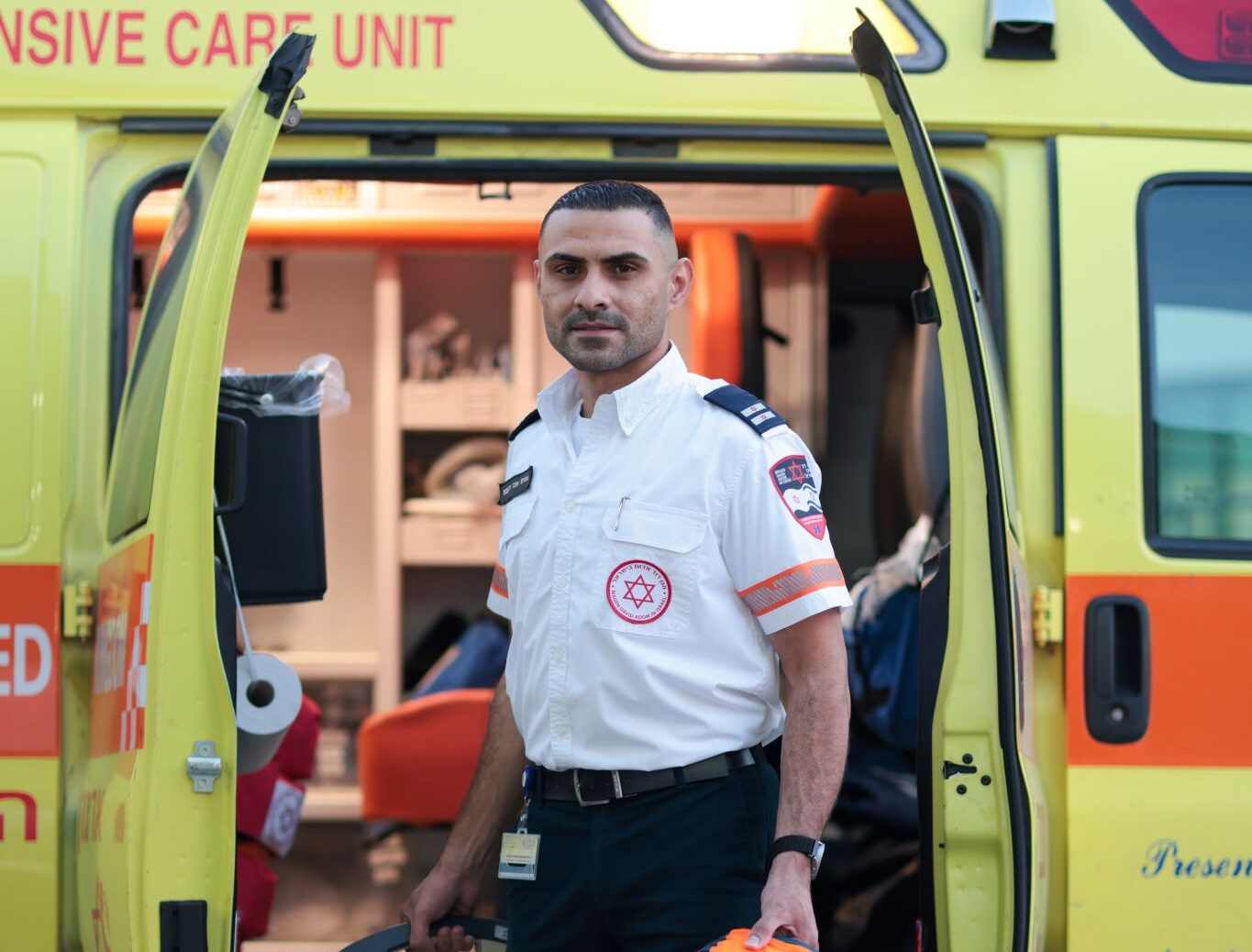 Part of that preparation involved setting expectations within the team. Anis spoke with Roee, a paramedic course intern nearing the end of his training. “Even though we had been at the station for over 17 hours, I saw no hesitation in his eyes. It was clear that all of us were here to save lives. I remember one chilling moment when we suddenly heard the voice of our colleague and friend, paramedic Danny Sterkman, manager of the Ofakim station, over the radio. He reported that they had encountered an ambush, that the ambulance had been shot at, and that one of the crew members was injured. Magen David Adom personnel, our friends. Uniformed like us, who went out to save lives in an ambulance. Emotions mixed within the soul—terror and worry met with determination and dedication to the mission to go out and save lives.”
The team was dispatched to the Ofakim sector, where terrorists murdered civilians, including Aharon Haimov, may God avenge his blood, who was murdered in his ambulance while responding to casualties. “We arrived at several seriously wounded individuals, began performing life-saving procedures, applying tourniquets, and then the siren sounded. A huge ‘boom.’ An impact just a few meters from us, and another siren, and more gunfire. A battlefield, and we were treating under fire.”
At some point, Anis received a call from Dvir Ben Zeev, a paramedic from the Rahat station, who was on vacation with his family in the North that Saturday morning. “He heard the rumors and asked what was happening. I told him the situation was very serious. He replied, ‘I’m on my way.’ So, from the North to Rahat, no one asked him, he didn’t have to, but he simply came and relieved me after almost a full day of work. I felt a shared destiny, I felt the support, the backing, and I am sure that thanks to this spirit, we will win,” Anis concludes.
 “It was clear to me that I was coming to relieve him so he could rest a bit after more than twenty hours of work.”, Dvir explains, “I relieved him, and they sent us to Camp Urim, where there were dozens of wounded, and I realized I was the first paramedic to arrive at the scene. It was terrible to arrive with the intention of saving lives and ultimately find more and more fatalities that could not be saved. At one point, we were scrambled to a civilian with a very severe head gunshot wound. I think that was the first time I was truly afraid. The shooting was right at you. Mortal fear. And you have to silence the voices of fear because your patient needs you. Amidst the gunfire, I sedated the patient, ventilated him, gave him medications, and fought for his life, and five days later, I finally received the news that he had opened his eyes. Almost 24 hours of a shift that began when my best friend messaged me that he needed me. The only optimistic thing in this whole situation was this camaraderie. The uniformed personnel of Magen David Adom are my family, and I will choose to come whenever I am needed, no matter where.”, says Dvir.